
Ammonia production accounts for roughly a quarter of the emissions from India’s chemicals sector. The lion’s share of this production is used for one purpose: fertiliser to help produce food for India’s 1.5 billion population.
Despite being a major producer of grey ammonia – produced using fossil fuels – India still imports an additional 2.5 million tonnes every year, spending up to US$1.5-2 billion (₹14,500-19,000 crore). The majority of it is imported from the Middle East. The recent West Asia crisis and resulting geopolitical shocks led to price hikes of Liquefied Natural Gas (LNG), ammonia and urea.
Green ammonia, derived from green hydrogen, is one of the few decarbonisation levers India can pull immediately. The technology is within reach, India has some of the cheapest renewable power in the world, and the government has already established a policy and funding framework through the National Green Hydrogen Mission (NGHM).
Yet more than 25 million tonnes per year of announced green ammonia capacity remains largely pre-FID (Final Investment Decision).
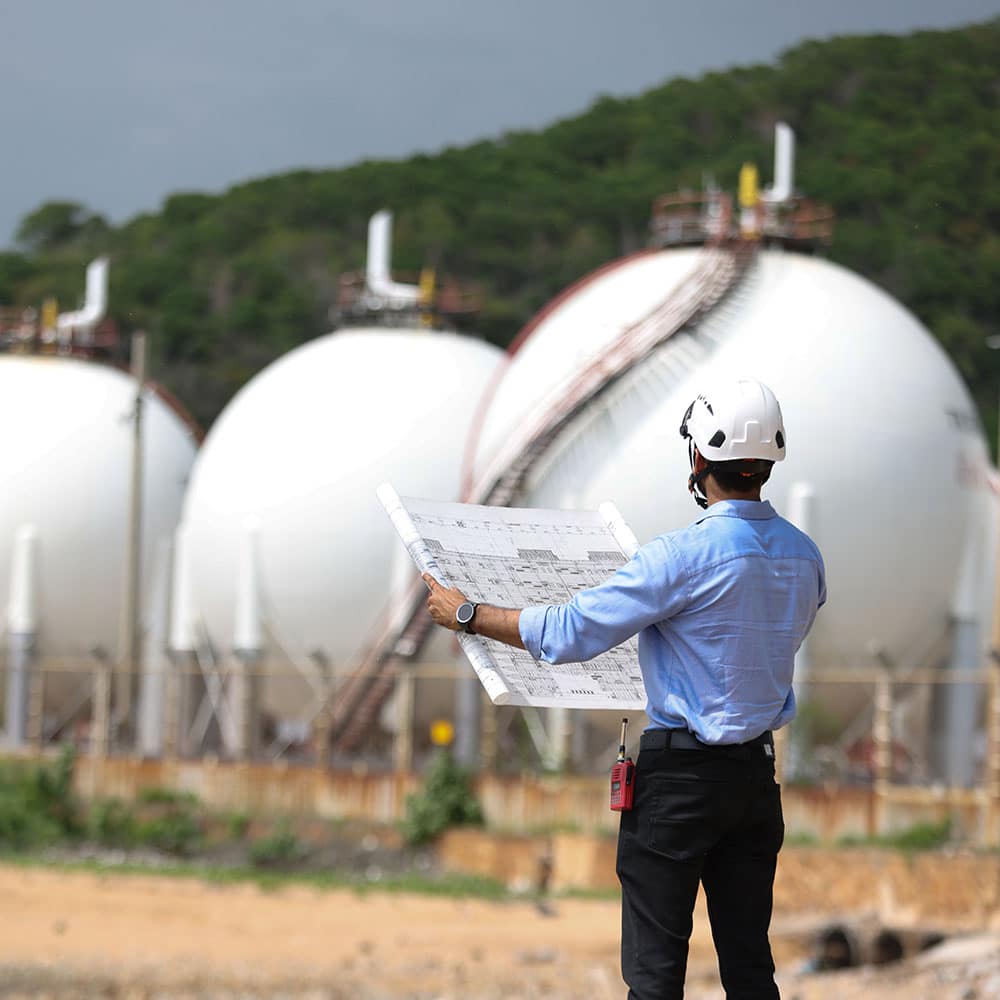
Bringing the Climate Catalyst model to green ammonia
Having previously mapped the civil society and stakeholder ecosystem for chemical sector decarbonisation in Europe, we saw a similar opportunity in India.
With support from climate philanthropies, we ran a mapping exercise between January and July 2026 to identify the key players shaping India’s green ammonia ecosystem, understand the policy landscape, and surface where civil society could add the most value.
During our “consult” phase (part of our “consult, convene and catalyse model”), we found a market moving from ambition to execution.
The SECI (Solar Energy Corporation of India Limited) tender under the National Green Hydrogen Mission has delivered globally competitive prices, a national standard for green ammonia has been notified, and more than 40 projects have been announced across the country.
Together, these developments signal growing momentum, but the market remains at an early stage. The next challenge is to translate this momentum into projects that reach FID and begin operating at scale. Doing so will require demand, infrastructure, technology and investment to develop in parallel, as well as greater alignment across the stakeholders needed to build a viable market.
This made it an important moment to step back and understand the ecosystem: who is already working on green ammonia, where the key gaps lie, and where greater coordination between industry, civil society, government and philanthropy could help accelerate progress.
The challenge
Green ammonia sits at the intersection of energy, industry and fertiliser, India’s most politically sensitive sectors. Any shift from grey ammonia touches farmers, food prices and a subsidy regime. That sensitivity, combined with the sector’s complexity and industry-focused nature has kept civil society engagement thin. To help civil society engage more effectively, we needed to answer three questions:
- Who are major players in the green ammonia ecosystem, from government and industry to research and civil society?
- Where is civil society already active, and where are the gaps?
- Where do civil society and industry agree and where do their views diverge on the barriers to scale and the interventions that could unlock it?
Our approach
We mapped the key stakeholders across the value chain, drawing on structured consultations with organisations across the ecosystem. This included mapping over 100 organisations spanning government, upstream, midstream players, downstream offtakers, research institutions, funders and industry associations.
We then surveyed and interviewed 26 from civil society and philanthropy, and 31 from industry, the latter in partnership with FTI Consulting, with an aim to cover strategic rationale, barriers and ambition across the full value chain.
We brought these emerging findings to a virtual convening and later to a two-day in-person convening at Nandi Hills, Bengaluru, attended by 30 organisations from civil society, philanthropy and industry, to develop a shared strategy and align on a shared vision for the sector.
Research outputs
What we learned
- Both civil society and industry see green ammonia as having significant decarbonisation potential, while identifying offtake, renewable energy supply and electrolyser costs as the key bottlenecks in the value chain. Both stakeholders also converge on demand mandates and PSU-backed offtake guarantees as the interventions most likely to help the sector scale.
- The immediate constraint is bankable, long-term offtake. The absence of confirmed long-term offtake acts as the single biggest barrier to reaching Final Investment Decision today. The SECI tender is a welcome first step, but isn’t sufficient on its own.
- CSOs are relatively active on renewable energy supply and the policy side of demand creation, but comparatively little attention goes to electrolysers, ammonia synthesis, storage and other midstream infrastructure despite these being flagged as major barriers by industry.
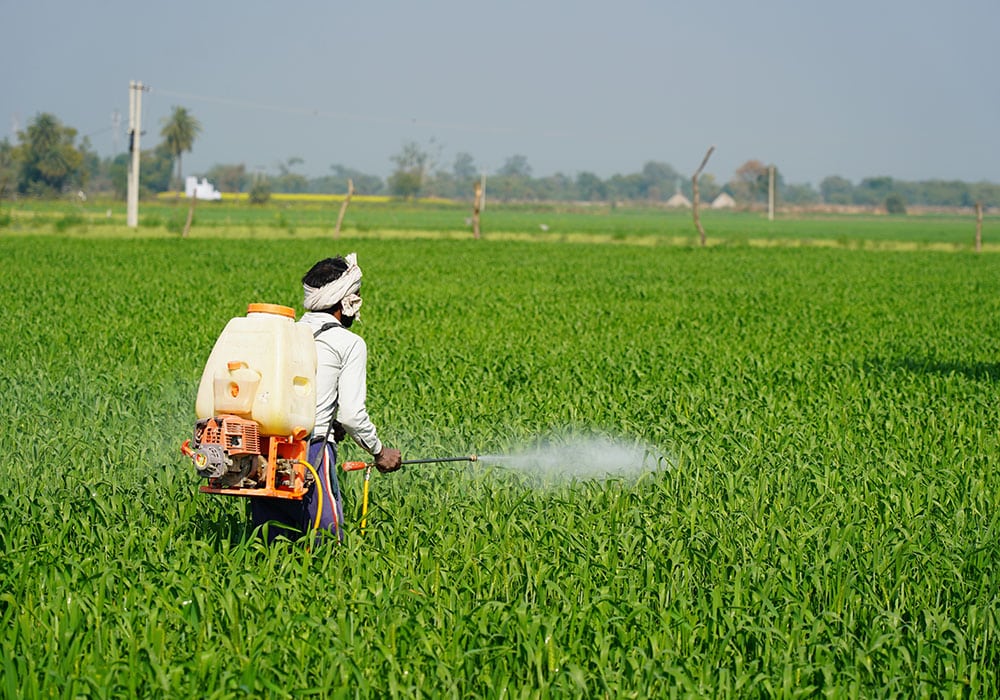
- Replacing grey ammonia with green ammonia isn’t enough. India’s fertiliser overuse carries its own environmental and health-related issues. Greening the supply of ammonia without also addressing demand-side overuse risks solving only half the problem.
- There’s no consensus yet on domestic versus export sequencing. Exports are considered as the most immediate opportunity by the industry, while CSOs argue for prioritising import substitution and domestic fertiliser security. What both sides agree on is that the first wave of projects, whether domestic or export-oriented, needs to reach FID and be delivered successfully to build the credibility the sector needs for the next phase of scale-up.
What’s next
We are now building on the relationships and insights developed through this work. We are setting up an informal coordination group for CSOs and philanthropy working on green ammonia, continuing to develop a shared vision and roadmap for the sector, and identifying where collective action can add the most value.
We are also looking to deepen this work by examining the progress of green ammonia projects, including the SECI auction winners, and the challenges developers face in reaching FID. This will include looking at project-level barriers alongside the policies and enabling infrastructure needed to support delivery, including renewable energy and transmission, the domestic electrolyser value chain, storage and transport.
The analysis will assess whether planning and coordination across these systems are aligned with project costs and timelines, and identify where targeted interventions could help move projects from announcement to execution.
Related resources
Subscribe to updates
